 Pin It
 There's something magical about baking a sheet cake for a graduation party—the kind of dessert that shows up in photos, gets passed around on small paper plates, and somehow tastes like celebration itself. I stumbled into this vanilla cake recipe during a particularly chaotic Saturday afternoon when my neighbor asked if I could bring something to her daughter's graduation gathering. With just a few hours to spare, I realized I needed something foolproof, something that could feed a crowd without demanding fancy techniques or obscure ingredients. This cake became my secret weapon, and honestly, it's been showing up at our celebrations ever since.
I'll never forget watching the kitchen fill with that soft vanilla aroma as the cake baked while we set up folding tables in the backyard. The groom's parents kept wandering in asking what smelled so good, and by the time we frosted it, there was already an unofficial taste-testing committee forming. That's when I knew this recipe was a keeper—not because it's fancy, but because it brings people together in the most unpretentious way.
Ingredients
- All-purpose flour (3 cups): Make sure it's spooned and leveled, not scooped straight from the bag, because packing down flour is how cakes get dense.
- Baking powder and baking soda (2½ tsp and ½ tsp): These are your lift—double-check the expiration dates because expired leaveners are a silent cake killer.
- Salt (½ tsp): Don't skip it; salt enhances vanilla flavor in ways that might seem counterintuitive but absolutely matter.
- Unsalted butter (1 cup for cake, 1 cup for frosting): Room temperature is non-negotiable here—cold butter won't cream properly and you'll miss out on that light, airy crumb.
- Granulated sugar (2 cups): This is what creates the tender structure; don't substitute with brown sugar unless you're going for a completely different cake.
- Eggs (4 large): Room temperature eggs incorporate more smoothly and create a better emulsion with the butter.
- Vanilla extract (1 tbsp for cake, 2 tsp for frosting): Use real vanilla if possible—the difference between real and imitation is subtle but audible in how people react to that first bite.
- Whole milk (1½ cups for cake, ¼ cup for frosting): Room temperature milk blends into the batter without shocking the mixture and causing separation.
- Powdered sugar (4 cups sifted): Sift it before measuring or after; either way, those tiny lumps will show up in your frosting if you skip this step.
- Graduation-themed sprinkles and decorations: These are the personality of the cake, so choose them based on school colors or the graduate's favorite hues.
Tired of Takeout? 🥡
Get 10 meals you can make faster than delivery arrives. Seriously.
One email. No spam. Unsubscribe anytime.
Instructions
- Prep your pan and heat your oven:
- Preheat to 350°F and grease that 12x18-inch sheet pan thoroughly, then line it with parchment paper for foolproof release. I learned this the hard way when I tried to flip a warm sheet cake without parchment—let's just say it became cake crumbles.
- Whisk your dry ingredients together:
- In a medium bowl, combine flour, baking powder, baking soda, and salt, then set aside. This distributes the leavening evenly so you don't end up with dense pockets in some parts of the cake.
- Cream butter and sugar until fluffy:
- Beat them together for about 3 minutes until the mixture looks pale and doubled in volume. You'll hear the mixer working harder as it incorporates air—that's exactly what you want.
- Add eggs one at a time, gently:
- Beat well after each egg, then mix in vanilla extract. Each egg needs its own moment to emulsify into the butter mixture, so rushing this step is where things can break.
- Alternate wet and dry in three parts:
- Add half the flour mixture on low speed, then half the milk, then the remaining flour, then the remaining milk, mixing just until combined each time. Overmixing at this stage develops gluten and toughens the crumb, so restraint is your friend.
- Spread and bake:
- Pour the batter into your prepared pan and smooth it level, then bake for 28–32 minutes until a toothpick comes out clean. The kitchen will smell absolutely incredible around minute twenty-five.
- Cool completely on a rack:
- This step takes patience, but a warm cake will melt your buttercream and look sloppy. I usually bake the cake in the morning and frost it after lunch.
- Make the vanilla buttercream:
- Beat softened butter for about 2 minutes until creamy, then gradually add sifted powdered sugar on low speed to avoid clouds of sugar escaping everywhere. Add vanilla, milk, and salt, then beat on high for 2–3 minutes until it's fluffy and light.
- Frost and decorate:
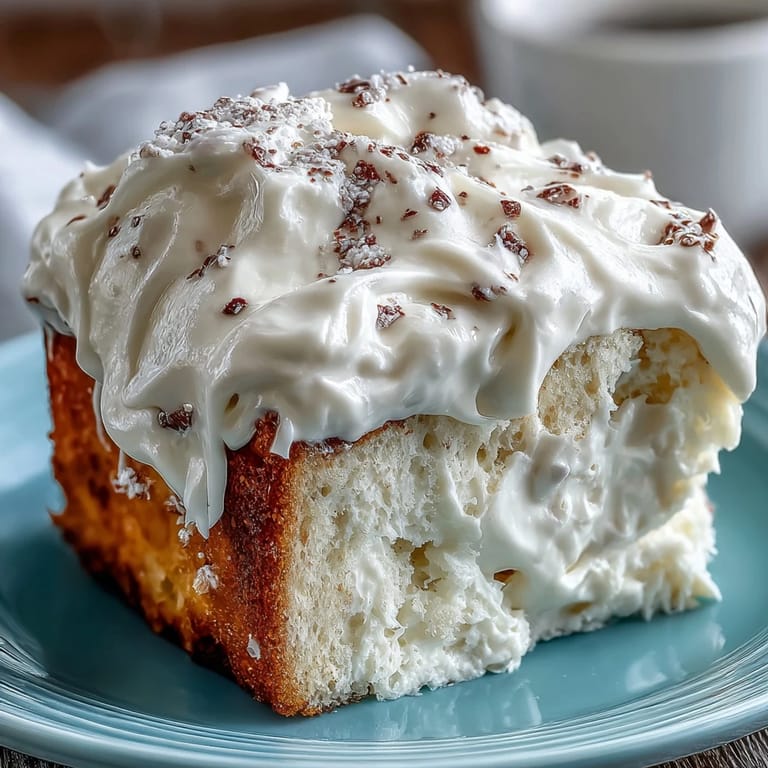
- Spread the buttercream evenly over the cooled cake using an offset spatula or the back of a spoon, then go wild with graduation sprinkles and edible decorations. This is where the cake becomes a celebration in its own right.
 Pin It
 What moves me most about this cake is watching it transform from a simple vanilla dessert into something meaningful—graduation cake, congratulations cake, celebration cake. I've seen it crowned with school colors, decorated with piped messages, cut into little squares for a hundred hands reaching for a piece. It's the kind of recipe that gets passed along because it works, because it's forgiving, and because vanilla, done right, never goes out of style.
The Science of Vanilla Flavor
Vanilla is deceptively complex—it's not just about extracting a strong vanilla taste, but about letting it complement rather than overwhelm. Real vanilla extract contains hundreds of flavor compounds that create depth impossible to achieve with imitation vanilla. I started using real vanilla after a friend mentioned tasting the difference, and now I honestly can't go back. The added salt in both the cake and frosting actually amplifies vanilla perception, making it taste more vanilla-like even though you can't taste the salt itself. It's one of those kitchen secrets that feels almost like cheating once you understand it.
Scaling and Serving Thoughts
This recipe makes twenty-four generous servings on a half-sheet pan, which is perfect for graduation parties, family gatherings, or office celebrations. If you need a smaller batch, this recipe scales down to a standard 9x13-inch pan with the same baking time—just halve all the ingredients and you'll have twelve servings. I've also baked two of these cakes side by side for larger crowds, and the timing works perfectly as long as you rotate the pans halfway through. The buttercream quantity is generous, so don't hesitate to add a bit more vanilla or even a touch of almond extract to it if you want extra flavor complexity.
Storage and Make-Ahead Magic
This cake actually tastes better the next day once the crumb has time to set and flavors settle. You can bake the cake up to three days ahead, wrap it well, and store it at room temperature or in the refrigerator. The buttercream keeps for up to five days in an airtight container in the fridge, so you can make it the day before the party if you're trying to spread out the work. Leftover frosted cake keeps covered at room temperature for one day, or in the refrigerator for up to four days, making this recipe incredibly practical for busy celebration planning.
- Bake the cake a day or two ahead and store it wrapped tightly to keep the crumb from drying out.
- Make frosting up to a day early and re-whip it briefly before spreading if it seems too stiff.
- Decorate the cake no more than a few hours before serving so sprinkles stay fresh and vibrant.
 Pin It
 This vanilla sheet cake has become my answer whenever someone asks what to bring to a celebration, because it's reliable, it feeds a crowd, and somehow it always feels special. There's real joy in a simple, properly made vanilla cake—the kind that gets remembered not for being trendy, but for being exactly what was needed.
Questions & Answers
- → What type of flour is best for this cake?
All-purpose flour provides the perfect balance for a tender yet sturdy cake crumb, ideal for sheet cakes.
- → Can I add extra flavor to the cake batter?
Yes, adding ½ tsp almond extract enhances the cake’s depth without overpowering the vanilla notes.
- → How do I ensure the cake stays moist?
Measure ingredients accurately, avoid overmixing, and bake until a toothpick comes out clean but cake remains soft.
- → What is the best way to decorate for graduations?
Use themed sprinkles or gel food coloring to tint the buttercream, matching your school colors and celebration theme.
- → How long can leftovers be stored?
Cover at room temperature for 1 day or refrigerate up to 4 days to maintain freshness and flavor.