 Pin It
 My kitchen smelled like hot oil and paprika the afternoon my neighbor stopped by unannounced, drawn in by the sizzle and sputter of something unmistakably delicious. I'd been experimenting with a spicy chicken sandwich that afternoon, layering flavors the way I'd learned from watching my cousin work a fryer at her food truck—fast, confident, fearless with the heat. She took one bite, closed her eyes for a moment, and asked for the recipe before she'd even finished chewing. That's when I knew this wasn't just another sandwich; it was something worth perfecting and sharing.
I made this for game day last fall, assembling four sandwiches at once while friends shouted at the television in the living room. My hands worked on muscle memory by then—buttermilk to flour to sizzling oil in one smooth motion—and I loved watching people's reactions when they bit into that first crunch. One friend actually stopped mid-sentence, which felt like the highest compliment possible.
Ingredients
- Boneless, skinless chicken breasts: Pound them to an even half-inch thickness so they cook at the same rate—this is the secret to avoiding dry edges and raw centers.
- Buttermilk: The acidity tenderizes the chicken and creates a better coating foundation than regular milk ever could.
- Hot sauce: A tablespoon in the marinade gives background heat without overwhelming the buttermilk balance.
- Paprika, cayenne, garlic powder, onion powder: Layer these spices in both the marinade and dredge for flavor that builds instead of sitting on the surface.
- All-purpose flour and cornstarch blend: The cornstarch is your crunch factor—it creates a lighter, crispier crust than flour alone.
- Vegetable oil: High smoke point is essential; peanut or canola work just as well if you have them on hand.
- Mayonnaise and sour cream: The base of your sauce, where mayo brings richness and sour cream adds tangy restraint.
- Smoked paprika, lemon juice, honey: These three ingredients transform simple mayo into something with real personality and depth.
- Brioche buns: Butter them lightly before toasting so they become golden and slightly caramelized without falling apart.
- Dill pickle slices and fresh lettuce: These aren't just garnish—they're the cooling agents that make eating spicy food feel refreshing instead of punishing.
Tired of Takeout? 🥡
Get 10 meals you can make faster than delivery arrives. Seriously.
One email. No spam. Unsubscribe anytime.
Instructions
- Build Your Marinade:
- Whisk buttermilk with hot sauce, salt, paprika, cayenne, garlic powder, and onion powder in a large bowl. This mixture should smell warm and inviting, with the hot sauce adding subtle depth rather than screaming heat.
- Marinate the Chicken:
- Add chicken breasts, cover, and refrigerate for at least an hour—overnight is even better, letting the buttermilk work its tenderizing magic while the spices slowly infuse the meat. The longer marinade creates more flavorful, tender chicken with better texture throughout.
- Prepare Your Dredging Station:
- Combine flour, cornstarch, paprika, garlic powder, onion powder, salt, cayenne, and black pepper in a shallow dish. Give it a quick whisk to distribute the spices evenly so every chicken piece gets coated equally.
- Heat Your Oil Carefully:
- Bring vegetable oil to 350°F in a heavy skillet or Dutch oven—use a thermometer because eyeballing this step leads to either pale, greasy chicken or burnt exteriors with raw centers. Set up a wire rack over a sheet pan nearby so you have a place to drain immediately after frying.
- Coat and Fry with Confidence:
- Remove chicken from marinade, let excess drip away, then press each piece firmly into the dredge—for extra crunch, coat it twice, letting the first layer set slightly before adding the second. Fry 4 to 6 minutes per side until deep golden brown and an internal temperature of 165°F, transferring each piece to your wire rack to drain the moment it's done.
- Make Your Cooling Sauce:
- Whisk mayonnaise, sour cream, hot sauce, lemon juice, smoked paprika, garlic powder, and honey together in a small bowl. Taste as you go, adjusting salt and pepper until the sauce feels balanced—it should cool the heat without making you want to forget the spice ever existed.
- Toast Your Buns:
- Lightly toast brioche buns so they're warm and slightly golden, which also creates a subtle barrier that keeps them from getting soggy from the sauce and pickle juice.
- Assemble Like You Mean It:
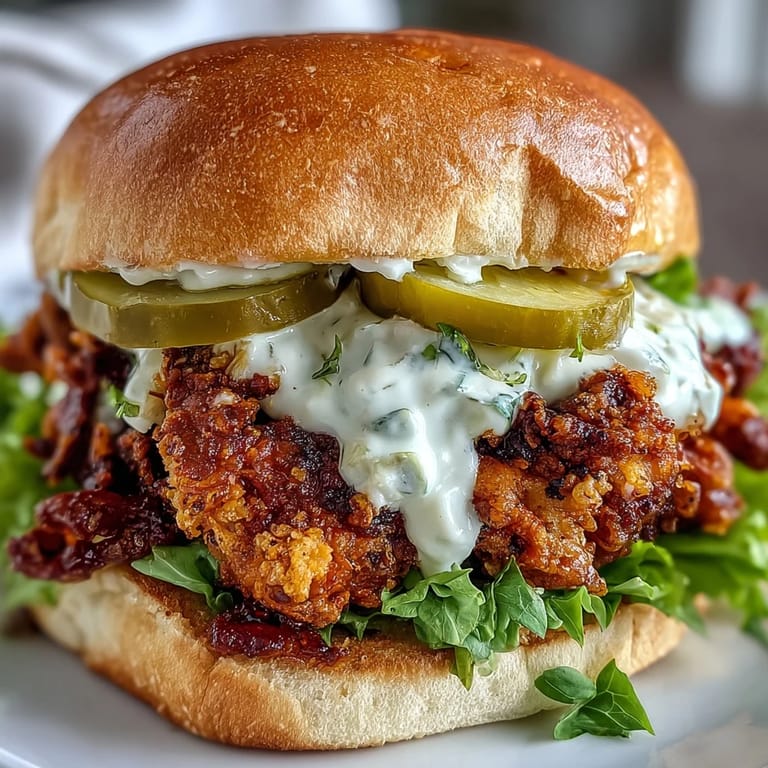
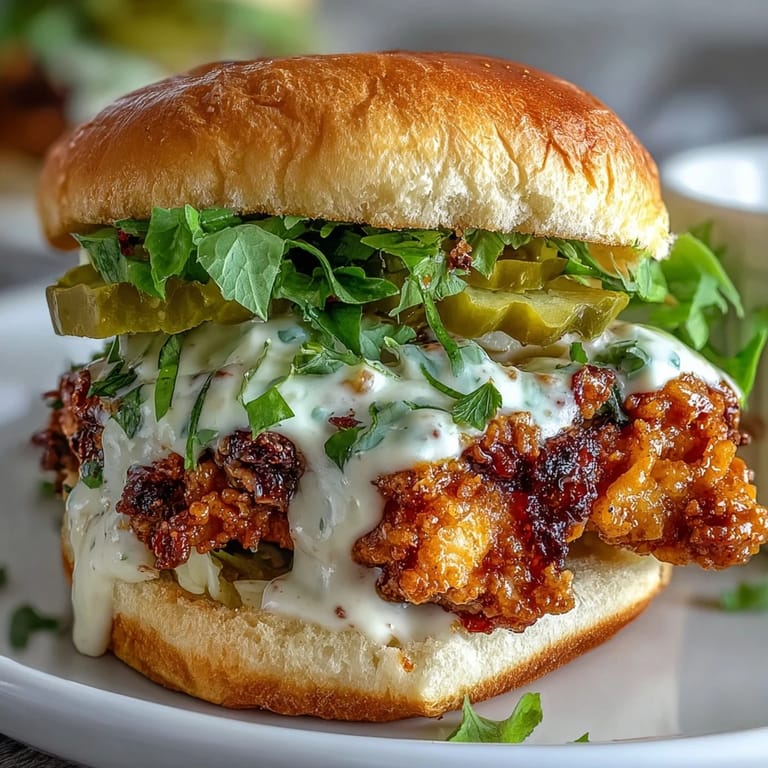
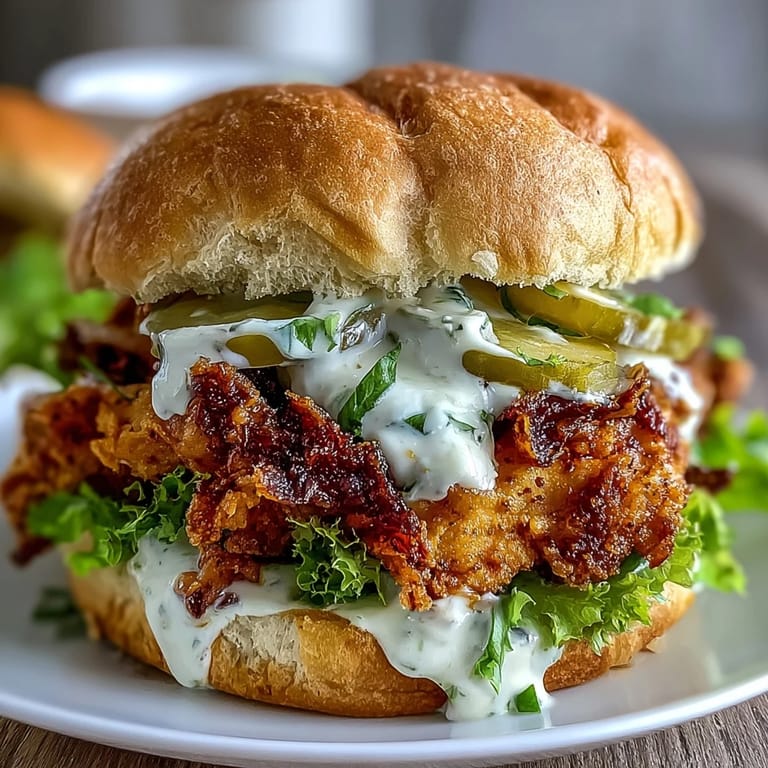
- Spread sauce generously on both sides of each bun, then layer with a crispy chicken breast, pickle slices, lettuce, and tomato if you're using it. The pickle and lettuce should go directly against the chicken so they do their cooling work.
- Serve Immediately:
- These sandwiches are best eaten right away while the chicken is still crackling and the bun is still warm. Keep extra sauce nearby because people will want more.
 Pin It
 I realized this sandwich had become something special when my partner started requesting it for meal prep—not as a treat, but as an actual weeknight dinner option. There's something grounding about food that tastes crave-worthy but isn't fussy, something that makes people slow down and actually taste what's in front of them.
The Marinade Matters More Than You'd Think
Rushing the marinade step is tempting when you're hungry, but those 60 minutes aren't just about flavor infusion—they're about structural change in the chicken itself. The buttermilk breaks down muscle fibers gently, and the spices penetrate deep, so every bite tastes seasoned all the way through instead of just on the surface. I learned this the hard way by making a sandwich with barely-marinated chicken once, and the difference was stark enough that I never skipped the hour again.
Oil Temperature Controls Everything
There's a narrow window between oil that's too cool and oil that's too hot, and hitting that 350°F sweet spot is the difference between crispy-outside-juicy-inside and disappointing results. A thermometer isn't fancy—it's essential—because your hand test and gut feeling will fail you eventually. When the oil is right, the chicken pieces will immediately sizzle with purpose, developing that golden crust in just 4 to 6 minutes per side without turning dark or greasy.
Why This Sauce Works So Well
The sauce's genius is in its balance—sour cream tempers mayo's richness, lemon juice and hot sauce add brightness and heat, and that tiny bit of honey rounds everything into something that feels intentional rather than thrown together. Smoked paprika gives it depth you won't quite be able to identify, which makes people keep taking bites trying to figure out what makes it taste so good. I've had people ask if I added an ingredient I didn't, which tells me the layering is working.
- Taste the sauce before spreading it on buns; mayo brands vary in saltiness, so season carefully.
- If your sauce seems too thick, whisk in a teaspoon of water or lemon juice at a time until it reaches a spreadable consistency.
- This sauce keeps refrigerated for up to 5 days, so make extra for dipping fries or using on other sandwiches.
 Pin It
 This sandwich feels like it should be complicated, but it's really just respect for each component—the marinade, the temperature, the assembly—coming together in your hands. Make it once and you'll understand why people came back asking for more.
Questions & Answers
- → How long should I marinate the chicken?
Marinate the chicken for at least 60 minutes, but overnight marinating in the refrigerator yields the most tender and flavorful results. The buttermilk and hot sauce combination works best with extended time.
- → Can I make the sauce ahead of time?
Absolutely. The creamy sauce can be prepared up to 3 days in advance and stored in an airtight container in the refrigerator. The flavors actually meld together better after sitting for a few hours.
- → What oil temperature is best for frying?
Maintain your oil at 350°F (175°C) throughout the frying process. Too hot and the coating burns before the chicken cooks through; too cool and the breading becomes soggy rather than crispy.
- → Can I use chicken thighs instead of breasts?
Chicken thighs work beautifully and add extra juiciness. Just adjust cooking time slightly — thighs typically need 5-7 minutes per side depending on thickness. Use a meat thermometer to ensure 165°F internal temperature.
- → How do I get extra crispy coating?
The double dredge technique creates the crispiest results. After coating once, dip the chicken back in the marinade briefly, then dredge again. The cornstarch in the flour mixture also contributes to superior crunch and texture.