 Pin It
 My neighbor brought over a bottle of Sauvignon Blanc one evening, and we decided to cook something quick but impressive. Scallops seemed intimidating until she casually mentioned her trick: pat them completely dry, don't fuss with them in the pan, and let the butter do the talking. Twenty minutes later, we were eating like we'd booked a table at some fancy waterfront restaurant, except we were in my kitchen with wine-stained fingers and the smell of caramelized seafood still hanging in the air. That night changed how I thought about weeknight dinners.
I made this for my parents on their anniversary dinner at home, and my dad kept saying it tasted like the place where they got engaged. My mom was laughing because it definitely wasn't fancy enough to warrant that reaction, but then she tasted the sauce and got quiet for a moment. Those are the dinners you remember, the ones where good food somehow unlocks good memories.
Ingredients
- Large sea scallops, 1 lb (450 g), patted completely dry: The dryness is everything because it lets them sear instead of steam, creating that caramelized exterior that tastes like ocean and butter had a beautiful moment together.
- Unsalted butter, 3 tbsp divided: Using unsalted lets you control the salt level and means the butter flavor actually shines instead of getting muted.
- Extra-virgin olive oil, 2 tbsp: This keeps the butter from burning while the scallops sear, and it adds a subtle fruity note that plays nicely with the lemon.
- Garlic, 3 cloves minced: Thirty seconds in the hot butter is all it needs to transform from raw to fragrant, and that's the signal that your sauce is about to get interesting.
- Lemon zest and juice, 1 lemon's worth: The zest goes in at the end for brightness that tastes fresh off the tree, while the juice balances the richness of the butter.
- Dry white wine or chicken broth, 1/4 cup (60 ml): The wine adds sophistication and acidity that cuts through the richness, but broth works just as well if that's what you have.
- Fresh parsley, 2 tbsp chopped: This is your final green note that makes the whole dish feel intentional and alive.
- Salt and freshly ground black pepper, to taste: Season lightly before searing so the salt doesn't pull moisture from the scallops at the wrong moment.
- Lemon wedges, for serving: These are your escape hatch if you want extra brightness, and they look beautiful on the plate.
Tired of Takeout? 🥡
Get 10 meals you can make faster than delivery arrives. Seriously.
One email. No spam. Unsubscribe anytime.
Instructions
- Dry your scallops like you mean it:
- Pat them with paper towels until they feel almost chalky to the touch. Wet scallops will steam in the pan instead of developing that golden crust, so this step isn't optional no matter how dry they already seem.
- Get your pan hot enough to hear it:
- Heat the butter and oil together over medium-high heat until the oil shimmers and moves like liquid mercury. Drop a tiny piece of garlic in and if it sizzles immediately, you're ready.
- Sear without second-guessing:
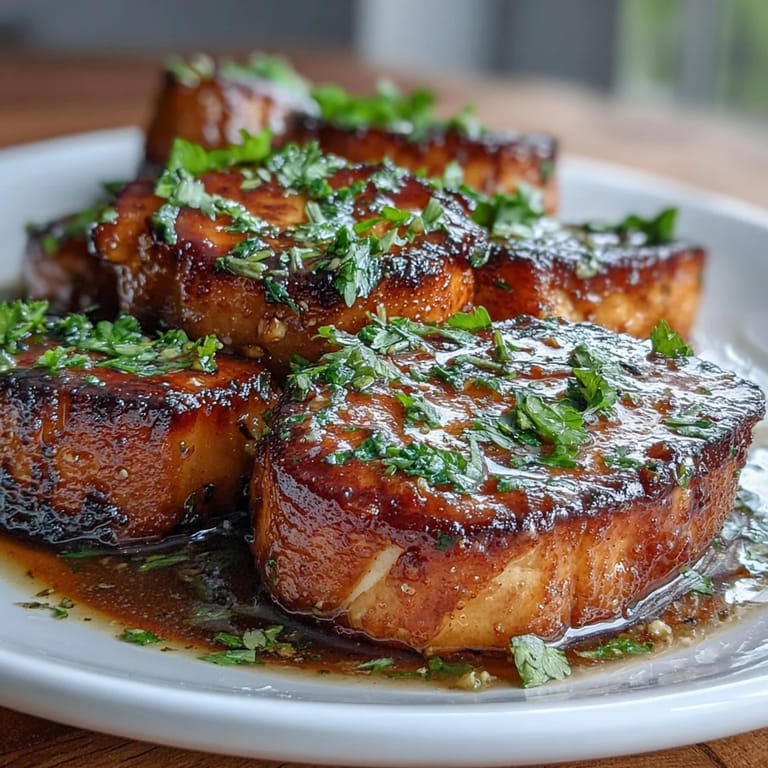
- Place scallops in a single layer and then walk away for two to three minutes. The golden crust is forming while you're standing there anxious, so resist the urge to poke them. Flip once and give them another minute or two until the edges turn opaque and the flesh just barely resists when you press it.
- Move them to safety:
- Transfer the seared scallops to a plate and cover loosely with foil. They'll keep cooking slightly in their own heat, which is perfect.
- Build your sauce in the same pan:
- Lower the heat to medium, add the remaining butter, and when it foams add the garlic. Thirty seconds is all you need before pouring in the wine and lemon juice, and you'll see the brown bits from the scallops starting to lift up as you scrape.
- Finish with the scallops and herbs:
- Return the scallops to the pan with any juices they've released, spoon the bright sauce over top, and scatter parsley everywhere. Taste once and adjust the salt if needed.
- Serve immediately:
- Scallops are best the moment they hit the plate while the sauce is still warm and the parsley is still green.
 Pin It
 There's a specific moment when you're stirring the sauce and everything comes together at once: the lemon juice hits the bubbling butter, the garlic smell rises up, and you know the next three minutes are going to taste like spring no matter what season it actually is. That's when cooking stops feeling like a task and starts feeling like magic.
Timing and Temperature Secrets
The temperature of your pan matters more than the exact timing because every stove is slightly different. If your butter is smoking, your heat is too high and the scallops will develop a burnt edge before they cook through. Medium-high is the sweet spot where butter foams without darkening and scallops caramelize gently. I learned this the hard way by ruining three batches and eventually accepting that watching for visual cues beats watching the clock.
What to Serve Alongside
Steamed asparagus picks up the lemon note and feels like you planned a coordinated menu, while buttered baby potatoes soak up every drop of sauce without fighting for attention. Angel hair pasta works beautifully if you want something more filling, and the sauce clings to the thin strands like it was designed for them. Even a simple arugula salad tossed with olive oil and lemon becomes part of the story instead of just vegetables on the side.
Wine Pairing and Flavor Combinations
Sauvignon Blanc is obvious but it's obvious because it actually works, cutting through the butter while matching the lemon brightness in your sauce. If you're not a wine person, a crisp sparkling water with fresh lemon tastes unexpectedly elegant. For extra flavor without fussing, a tiny pinch of red pepper flakes in the butter creates a gentle heat that surprises your mouth in the best way, and honestly this small addition makes people ask what you did differently.
- A splash of quality white wine in the sauce makes you sound like you actually know what you're doing in the kitchen.
- Fresh herbs matter more than perfect ingredients, so if your parsley is wilted, use chives or even green onions instead.
- Make this dish when you have good lemon and good butter because those two flavors do all the heavy lifting.
 Pin It
 This dish somehow tastes fancy without demanding anything complicated from you, which is exactly the kind of cooking I want to do more of. Make it when you want to feel confident in the kitchen, and I promise the butter and lemon will do most of the convincing for you.