 Pin It
 It was a Thursday night when I realized I had thirty minutes before everyone got hungry and exactly four chicken breasts staring back at me from the fridge. I grabbed the honey jar, spotted the Dijon mustard tucked behind the mayo, and thought why not just throw them together? The kitchen filled with this sweet, sharp aroma that made my neighbor knock on the door asking what I was cooking. That improvised skillet became the most requested dinner in our house.
I made this for my sister when she came over convinced she didnt like mustard. She finished her plate before I did and texted me the next morning asking for the recipe. Watching someone change their mind about an ingredient because of how you cooked it feels like a small kitchen victory. Now she makes it for her own family and swears her kids think mustard is a dessert ingredient.
Ingredients
- Boneless, skinless chicken breasts (4 pieces, about 1½ lbs): Pat them completely dry before seasoning or they wont get that golden crust, and if theyre uneven in thickness, pound the thicker parts so everything cooks evenly.
- Dijon mustard (1/3 cup): This is your flavor backbone, so use a good quality brand because cheap Dijon can taste flat and overly salty instead of bright and tangy.
- Honey (1/4 cup): It balances the mustard sharpness and helps the sauce cling to the chicken, plus it caramelizes slightly when you reduce the sauce at the end.
- Whole-grain mustard (2 tablespoons): Those little seeds add texture and a gentle pop of flavor that makes the sauce feel more interesting than just smooth Dijon alone.
- Garlic (3 cloves, minced): Fresh is essential here because the quick saute releases that sweet, mellow garlic flavor without the bitterness powdered garlic would bring.
- Apple cider vinegar (1 tablespoon): This cuts through the richness and brightens everything, like opening a window in a stuffy room.
- Low-sodium chicken broth (1/2 cup): It loosens the sauce and adds depth, and low-sodium lets you control the salt level since mustard can already be pretty salty.
- Fresh thyme (1 teaspoon) and rosemary (1 teaspoon, finely chopped): These herbs make the kitchen smell like youve been cooking all day, and chopping rosemary finely prevents woody bits from ruining a bite.
- Kosher salt (1/2 teaspoon) and black pepper (1/4 teaspoon): Season the chicken generously before it hits the pan because that initial seasoning creates the foundation for all the flavor that follows.
- Olive oil (2 tablespoons): Use regular olive oil, not extra virgin, because the high heat for searing would burn the delicate flavors of the expensive stuff.
- Fresh parsley (optional, for garnish): A handful of chopped parsley at the end adds color and a fresh note that makes the whole dish feel finished.
Tired of Takeout? 🥡
Get 10 meals you can make faster than delivery arrives. Seriously.
One email. No spam. Unsubscribe anytime.
Instructions
- Prep the Chicken:
- Use paper towels to pat each chicken breast completely dry, then season both sides with the salt and pepper. Dry chicken sears beautifully and wet chicken steams, which means no golden crust.
- Sear Until Golden:
- Heat the olive oil in your large skillet over medium-high heat until it shimmers, then lay the chicken breasts in without crowding and let them sear undisturbed for 3 to 4 minutes per side until deeply golden. Transfer them to a plate and dont worry that theyre not cooked through yet.
- Build the Sauce Base:
- Lower the heat to medium, toss in the minced garlic, and stir it around for about 30 seconds until it smells sweet and nutty. Dont let it brown or itll turn bitter.
- Whisk in the Mustard and Honey:
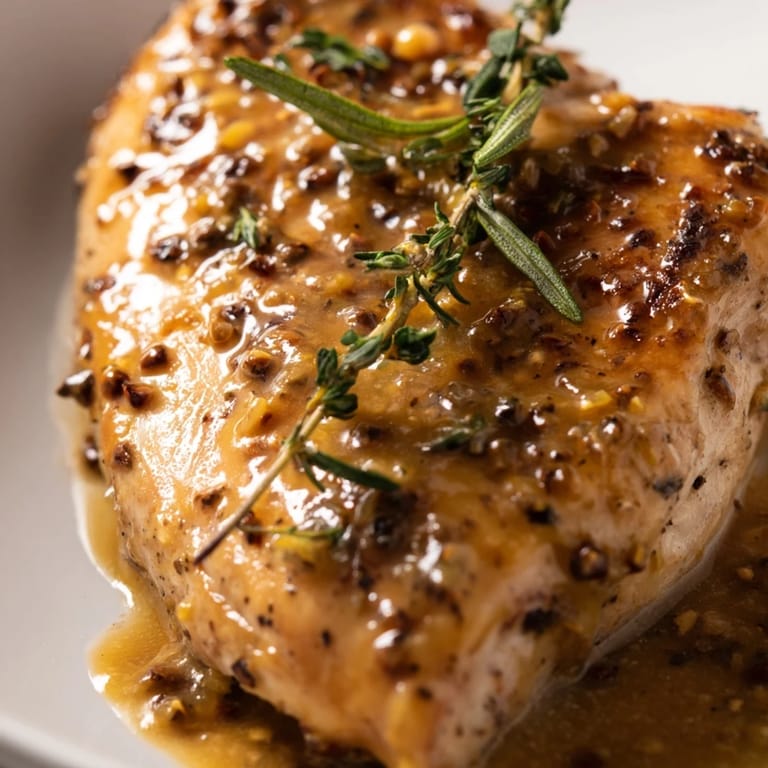
- Add both mustards, the honey, vinegar, and chicken broth, then whisk everything together until smooth and bring it to a gentle simmer. The sauce will look thin now but itll thicken as it cooks with the chicken.
- Simmer with Herbs:
- Stir in the thyme and rosemary, nestle the seared chicken back into the skillet, and spoon some sauce over the top. Cover with a lid and let it simmer gently for 10 to 12 minutes until the chicken reaches 165°F inside.
- Thicken and Finish:
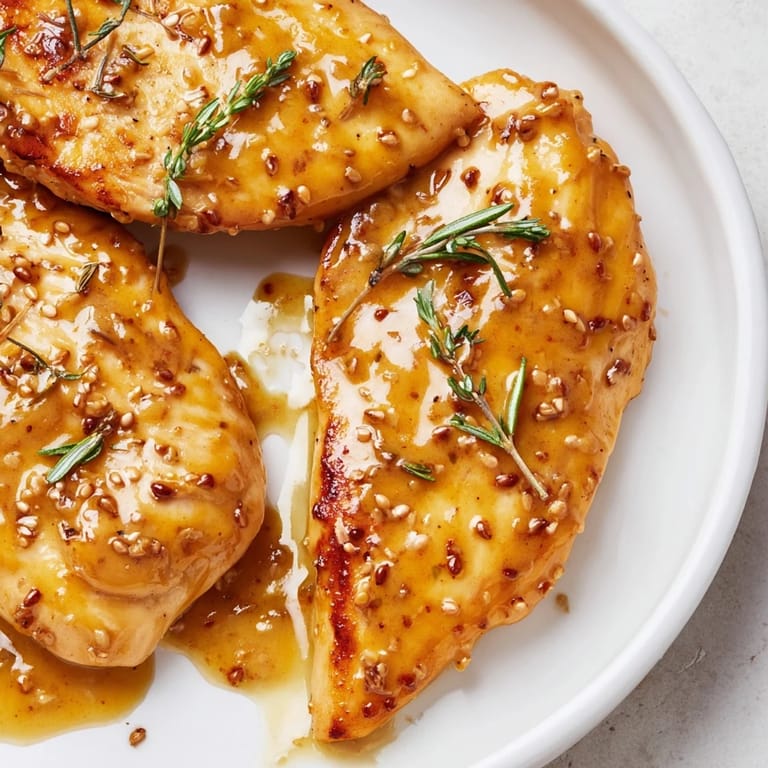
- Remove the lid, turn the heat up just a bit, and let the sauce bubble uncovered for 2 to 3 minutes while you spoon it over the chicken. It will reduce and turn glossy and cling to the meat like a glaze.
- Garnish and Serve:
- Sprinkle chopped parsley over everything if you have it, then serve the chicken with the sauce spooned generously on top.
 Pin It
 One evening I plated this over mashed potatoes and my husband looked up mid-bite and said this is restaurant food. It wasnt just the flavor, it was realizing that a handful of pantry staples and twenty-five minutes could make a regular weeknight feel a little bit special. Food doesnt always have to be complicated to feel like care.
What to Serve Alongside
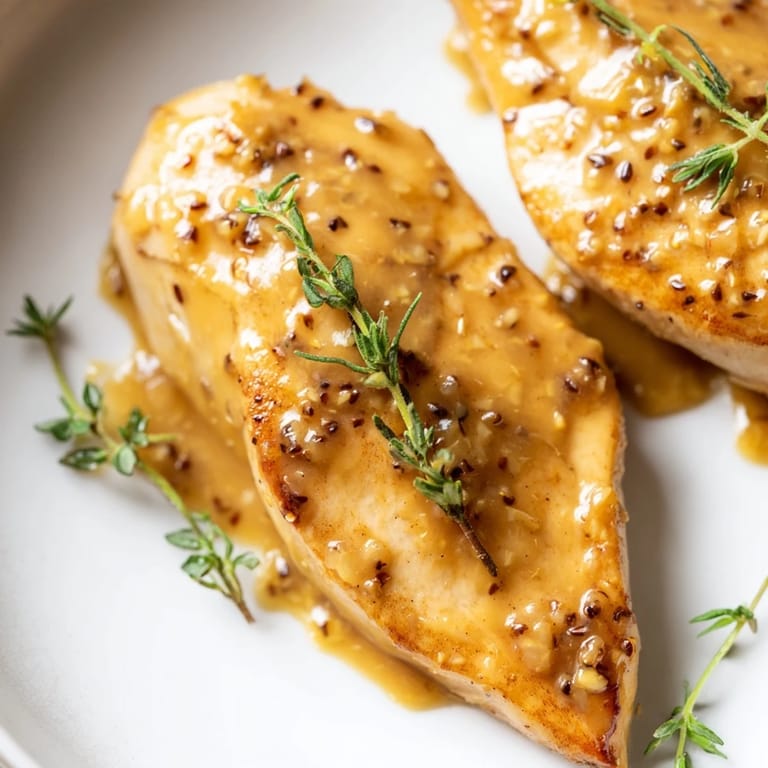
This sauce is so good you want something to soak it up. I usually go with buttery mashed potatoes or fluffy white rice because they catch every bit of that glossy mustard glaze. Roasted green beans or sauteed spinach add a fresh contrast without competing with the flavors, and if youre feeling fancy, a simple arugula salad with lemon vinaigrette cuts through the richness perfectly.
Make It Your Own
Chicken thighs work beautifully here if you prefer dark meat, just add a couple extra minutes to the simmering time since thighs take a bit longer. For a creamier sauce, stir in two tablespoons of heavy cream right at the end and let it warm through. If you want a little heat, a pinch of red pepper flakes in the sauce adds warmth without overwhelming the honey sweetness.
Storage and Reheating
Leftovers keep in an airtight container in the fridge for up to three days, and honestly the flavors deepen overnight. Reheat gently in a skillet over low heat with a splash of chicken broth or water to loosen the sauce, because microwaving can make the chicken rubbery. I sometimes shred the leftover chicken and toss it with the sauce for quick grain bowls or wraps the next day.
- Store the chicken and sauce together so the meat stays moist.
- Freeze portions in freezer-safe containers for up to two months if you want to batch cook.
- Thaw overnight in the fridge before reheating for the best texture.
 Pin It
 This is the kind of recipe that makes you feel capable in the kitchen even on your most tired days. Keep the ingredients stocked and youll always have a dinner that feels like a little celebration.
Questions & Answers
- → How do I know when the chicken is fully cooked?
The chicken should reach an internal temperature of 165°F (74°C) when measured with a meat thermometer at the thickest part of the breast. Alternatively, pierce the chicken with a knife—the juices should run clear with no pink inside.
- → Can I use chicken thighs instead of breasts?
Yes, chicken thighs work wonderfully and stay juicier due to their higher fat content. Increase the simmering time to 15-18 minutes to ensure they're cooked through, and check the internal temperature reaches 165°F.
- → What's the best way to thicken the sauce?
After removing the lid in the final step, simmer uncovered for 2-3 minutes to allow the sauce to reduce naturally. For a creamier consistency, stir in 2 tablespoons of heavy cream or sour cream at the end of cooking.
- → Is this truly gluten-free?
The base ingredients are naturally gluten-free, but verify your chicken broth and mustard labels. Many commercial broths and some mustard brands may contain hidden gluten or be processed in shared facilities.
- → What sides pair best with this dish?
Creamy mashed potatoes, fluffy rice pilaf, or roasted seasonal vegetables absorb the flavorful sauce beautifully. A lightly oaked Chardonnay complements the sweet-tangy flavors of the sauce perfectly.
- → Can I make this ahead of time?
Prepare the sauce components in advance and store separately in the refrigerator for up to 2 days. Cook the chicken fresh just before serving to maintain its tender texture and optimal flavor.